Psychodrama is more than a form of therapy—it’s an encounter between creativity and healing. Rooted in theatre and group dynamics, this experiential approach invites participants to step into their stories, rather than simply talk about them. By enacting life experiences through guided role-play, individuals can gain clarity, release emotional tension, and discover new ways of relating to themselves and others.
And now, this transformative approach is coming to Vancouver through Baraka Ontology and Counselling, offering participants a rare opportunity to explore psychodrama in a safe, supportive, and deeply creative space.
What Is Psychodrama?
Psychodrama is a therapeutic modality that blends elements of theatre, improvisation, and psychology. It was developed by Jacob Levy Moreno (1889–1974), a Viennese psychiatrist who believed that spontaneity and creativity are vital for emotional health. He proposed that acting out inner conflicts in a structured, supportive environment could help individuals resolve psychological struggles and deepen self-awareness.
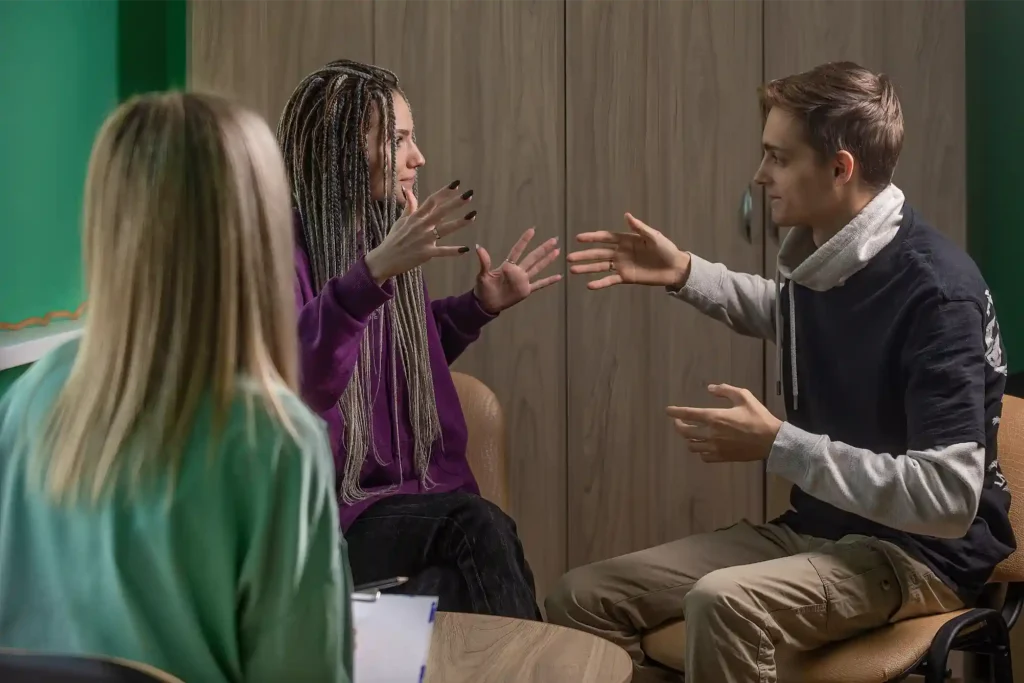
Unlike traditional talk therapy, psychodrama engages the whole person—mind, body, and emotion—through dynamic enactment. Participants, guided by a trained facilitator (called the director), use role play, mirroring, and dramatic techniques to explore past experiences, future hopes, and current relational challenges. The goal is not to perform, but to experience—to access insight through action.
In Moreno’s words:
“A truly therapeutic procedure cannot have less an objective than the whole of mankind.”
Psychodrama honors that vision by treating therapy as a rehearsal for life—where every session offers a chance to experiment with change.
How Psychodrama Works
Each psychodrama session typically unfolds in three phases:
- Warm-Up: The group engages in light movement, improvisation, or relational exercises to build trust and spontaneity.
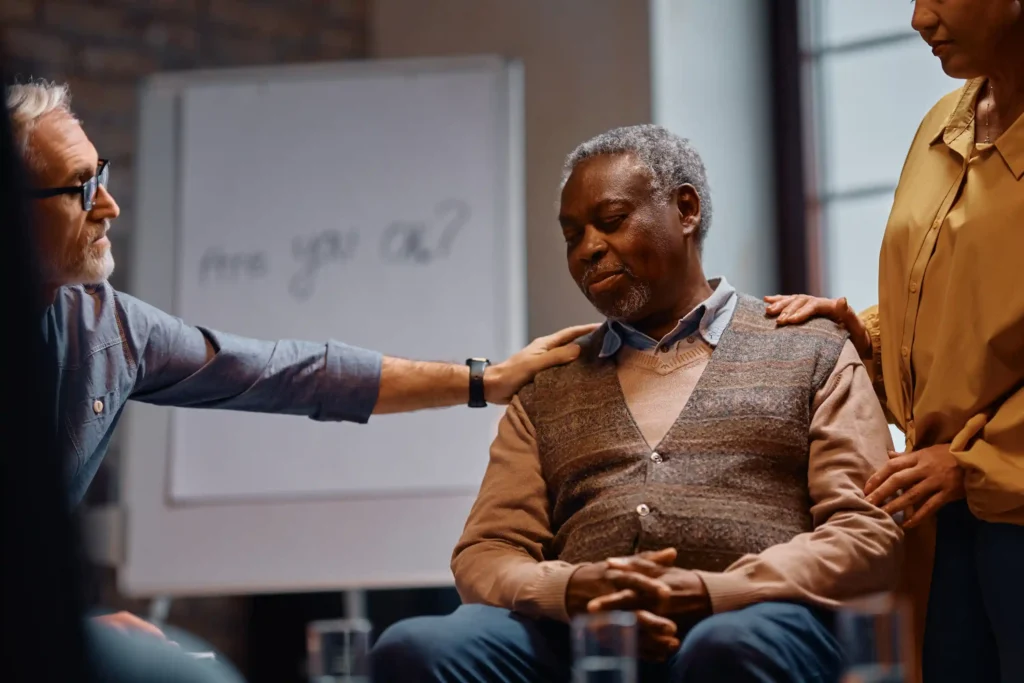
- Action: One participant, called the protagonist, enacts a significant situation or theme from their life. Group members assist as auxiliary egos, taking on roles of people or symbolic parts of the protagonist’s world.
- Sharing: After the enactment, participants discuss their experiences and emotions, integrating new insights into everyday life.
Core Techniques
- Role Reversal: The protagonist switches roles with another person (real or symbolic), gaining fresh perspective.
- Mirroring: Another participant reenacts the protagonist’s behavior so they can observe themselves from the outside.
- Doubling: A group member stands behind the protagonist, expressing possible unspoken feelings.
- Soliloquy: The protagonist verbalizes inner thoughts aloud, externalizing internal dialogue.
Through these techniques, participants access deep emotional truths, heal unfinished experiences, and strengthen empathy and relational understanding.

The Science Behind the Drama
Although psychodrama’s artistic roots trace back a century, recent decades have brought growing scientific attention. Research has increasingly validated its effectiveness across a range of contexts.
A 2018 integrative review by Orkibi & Feniger-Schaal in PLOS ONE described psychodrama as an evidence-informed experiential therapy that fosters spontaneity, emotional processing, and behavioral flexibility. A 2025 systematic review in BMC Complementary Medicine and Therapies found moderate evidence for its effectiveness in improving quality of life, emotional regulation, and interpersonal functioning.
Psychodrama has been successfully applied in:
- Trauma recovery, helping individuals safely process and reframe painful experiences
- Addiction treatment, where role work enhances emotional expression and accountability
- Anxiety and depression, reducing rumination by engaging creative spontaneity
- Couples and family therapy, where role reversal fosters empathy and communication
- Organizational and community settings, promoting understanding, cooperation, and leadership development
Emerging neurobiological research also supports its mechanisms: embodied role-play activates regions of the brain linked to emotional regulation and empathy, helping participants reorganize internal representations of self and others.
Why Action Heals
Psychodrama differs from most therapies in that it emphasizes doing over discussing. By stepping into action, participants bypass intellectual defenses and access lived emotion.
The process works through several key mechanisms:
- Embodiment: Physical movement activates emotional memory, allowing deeper connection to feelings.
- Perspective-taking: Role reversal builds empathy and cognitive flexibility.
- Catharsis: Expressing emotions in a structured way relieves internal tension.
- Insight: Watching oneself “on stage” fosters new self-understanding.
- Rehearsal for change: Practicing new roles and responses in the group prepares individuals to act differently in real life.
Through these mechanisms, psychodrama becomes a living laboratory for transformation—turning insight into embodied experience.
Psychodrama Comes to Vancouver! 🌟
Baraka Ontology and Counseling is also bringing psychodrama to the West Coast, offering Vancouver’s psychodrama-informed experiential therapy group.
🗓️ Bi-weekly Sundays
Nov 16, Nov 30, Dec 14, Jan 4, Jan 18
⏰ 11:00 AM – 1:00 PM
📍 Baraka Ontology and Counselling
1571 Bellevue Ave #210, West Vancouver, BC V7V 1A6
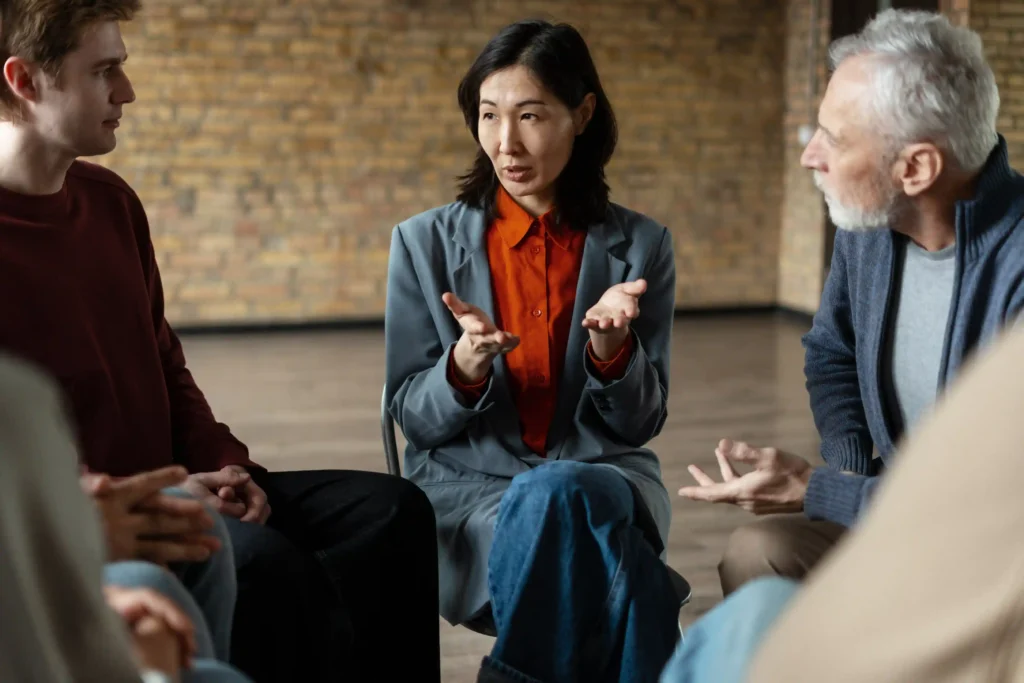
This medium-sized, experiential therapy group provides a welcoming space for self-discovery, emotional insight, and creative connection. Participants will engage in guided role-play and dramatic exploration—within a safe, supportive environment led by a trained psychodrama-informed facilitator.
Whether you’re a mental health professional curious about experiential methods or someone seeking deeper personal growth, this group offers a rare opportunity to experience the healing power of psychodrama firsthand.
Spaces are limited to ensure intimacy and depth.
👉 Registration details available through Baraka Ontology and Counselling.
What to Expect in a Baraka Psychodrama Session
At Baraka’s Vancouver group, sessions are designed to balance creativity with emotional safety. Here’s what participants can anticipate:
- A gentle warm-up: Facilitators help participants connect with the group and prepare emotionally for the session.
- Structured enactments: Selected individuals explore personal or relational stories through guided role-play.
- Supportive witnessing: Observers play vital roles as empathic witnesses, resonating and sharing reflections.
- Integration: Each session closes with group sharing, ensuring participants leave grounded and supported.
The group encourages authenticity without performance. You don’t need acting experience—only openness to self-exploration and connection.
Who Can Benefit
Psychodrama welcomes a wide range of participants:
- Individuals navigating relationship challenges, life transitions, or emotional stuckness
- Those seeking personal development and creative self-expression
- Therapists or counsellors wishing to expand their experiential toolbox
- Anyone interested in exploring the intersection of psychology, embodiment, and creativity
Many find that even observing others’ enactments triggers personal insight. The group process creates a shared language of empathy, where everyone learns from one another’s stories.
Safety, Training, and Ethics
Because psychodrama can evoke strong emotion, facilitation by a trained professional is essential. Baraka’s group follows internationally recognized psychodrama practices emphasizing:
- Informed consent and clear boundaries
- Trauma-informed pacing and containment
- Respectful witnessing and confidentiality
- Integration of emotional experience into daily life
Psychodrama’s effectiveness depends not only on its techniques but also on the safety of the group container—something Baraka’s facilitators prioritize carefully.
The Evidence in Practice
Recent empirical studies strengthen confidence in psychodrama’s outcomes:
- Trauma-focused psychodrama (2025, ScienceDirect) — participants showed significant reductions in PTSD, anxiety, and depression symptoms.
- Qualitative studies (Cambridge University Press, 2024) — highlighted benefits in social functioning and self-awareness, though noted the importance of ethical facilitation.
- Positive psychodrama research (2019, ScienceDirect) — combined psychodrama with positive psychology principles, increasing participants’ well-being and spontaneity.
Together, these findings suggest that psychodrama promotes both healing and flourishing—reducing distress while enhancing vitality and self-agency.
Psychodrama and Ontological Counselling: A Shared Philosophy
At Baraka Ontology and Counselling, psychodrama complements an ontological approach to mental health—one that explores the nature of being, existence, and relationship. Both perspectives view healing as a process of becoming more fully oneself, not merely symptom relief.
Ontology asks, “Who am I being?”
Psychodrama answers by saying, “Let’s act it out and find out.”
Together, these disciplines offer a multidimensional path toward authenticity and transformation—bridging thought, feeling, and embodied experience.
A Glimpse Into Transformation
Imagine a participant who repeatedly feels unheard in relationships. In a psychodrama session, they might enact a conversation with a significant other, exploring both roles through role reversal. Witnessing their own behavior mirrored back, they gain new awareness of how they minimize their needs. The group supports them in rehearsing a new way of asserting boundaries—something they later apply successfully in daily life.
Such experiences often feel more impactful than insight alone because they are lived, not just understood. Psychodrama creates a rehearsal space where life itself becomes the stage for change.
Why Vancouver Needs Psychodrama
Vancouver’s diverse, creative, and emotionally attuned community provides fertile ground for experiential therapies like psychodrama. Yet, despite growing global recognition, psychodrama remains rare in the city. Baraka’s initiative fills that gap—bringing a modality that honors both science and soul.
By offering a bi-weekly psychodrama group, Baraka aims to:
- Make experiential therapy accessible to the wider community
- Provide professionals with exposure to evidence-based expressive methods
- Create a consistent container for relational learning and creativity
- Cultivate a community of practice around embodiment and spontaneity
In a world often dominated by screens and analysis, psychodrama offers something profoundly human: the chance to connect through story, movement, and shared emotional truth.
Looking Ahead: The Future of Psychodrama
As the field evolves, new research directions are emerging:
- Mechanisms of change: Understanding how role-play activates neural and emotional integration.
- Digital and hybrid psychodrama: Exploring online adaptations while maintaining authenticity.
- Cultural adaptation: Expanding inclusivity for diverse communities and identities.
- Integration with neuroscience and mindfulness: Linking embodiment with self-regulation.
The combination of empirical validation and creative innovation positions psychodrama as a promising modality for the future of experiential mental health.
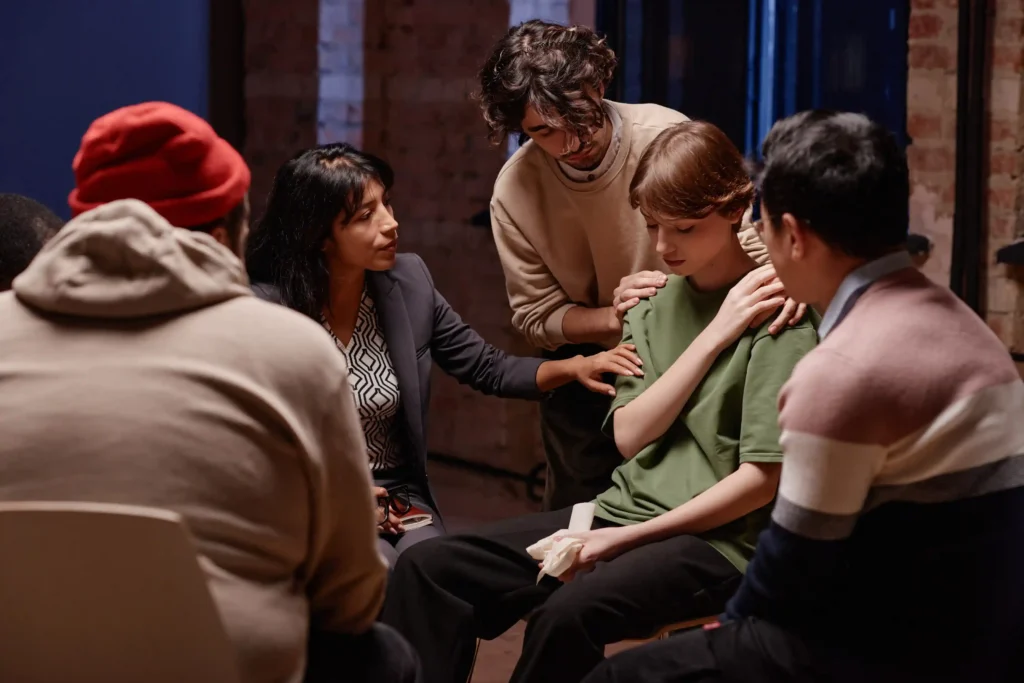
Join the Movement: Experience Psychodrama in Vancouver
Psychodrama is not just something to study—it’s something to experience. Each enactment opens new layers of empathy, courage, and self-knowledge. For many, it becomes a turning point in their personal journey.
Baraka Ontology and Counselling invites you to step into this transformative space.
Naghmeh is the main facilitator she received her psychodrama training through the psychodrama section of the international association for group psychotherapy and group processes (IAGP).
for more information you can check the link below!
https://barakaocc.com/services/psychodrama-group-therapy/
For registration or inquiries, visit barakaocc.com or contact Baraka Ontology and Counselling directly.
In Summary
Psychodrama offers a bridge between art and psychology, intellect and emotion, individual and community. It invites us to participate in our own healing with courage, imagination, and presence. In bringing this modality to Vancouver, Baraka Ontology and Counselling not only expands access to experiential therapy but also continues a century-long legacy of transforming insight into action.
Responses